
‘Class’ is one of the most important and generally overlooked of the Diversities
‘Class’ is one of the most important and generally overlooked of the Diversities. Whether you went to the right school and/or have the right accent is a key determinator as to whether you might succeed (make enough money) in the Arts and related professions.
This article is a reflection of how it is in Britain, but I have no doubt that it is pretty similar everywhere else.
McKinsey et al say, time and time again, that having a diverse team is ultimately the best way to great success. Yet, people in the Arts world insist in recruiting people like them, and in particular people they already know who are just like them. Not quite Nepotism but not far off. And since many of them went to public school they will continue to recruit from there and the elite universities which they have been trained to blag their way into.
Time and time again talented people are excluded because they have the wrong accent or differently developed social skills. They just ‘don’t belong’. Thus they find it very difficult to be in the right networks and contacts to get the right jobs. And of course they cannot afford to be interns.
Code switching – have a different accent at home from work – so you don’t frighten the horses at work , does not just belong to those who are non-white or who weren’t born in the UK, It also applies to anyone who doesn’t have the appropriate Southern (but not Estuary) English Accent.
Here are a few examples of the British Class system in action
- Historically it was the class system which determined what you were not allowed to read . In the obscenity trial in 1960 following the publication of D. H. Lawrence’s Lady Chatterley’s Lover (in 1928). The judge’s much quoted remark in his opening statement as to whether the novel was something “you would even wish your wife or servants to read”.
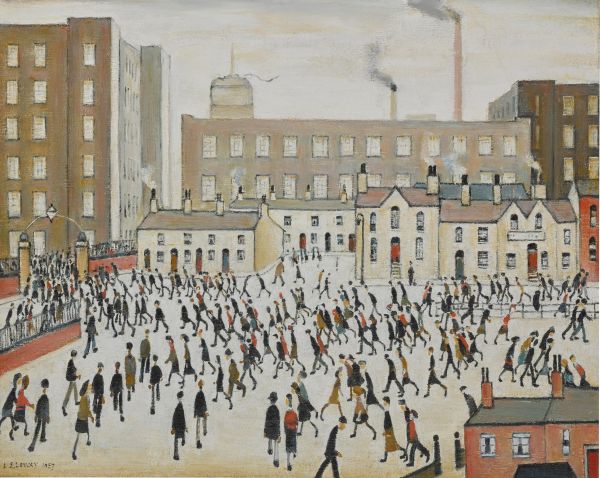
- For decades, Lowry was dismissed by the art establishment as a “naive Sunday painter” because he worked full-time as a rent collector and clerk until his retirement at 65. Not the least because his pictures represented working class life in Salford near Manchester.
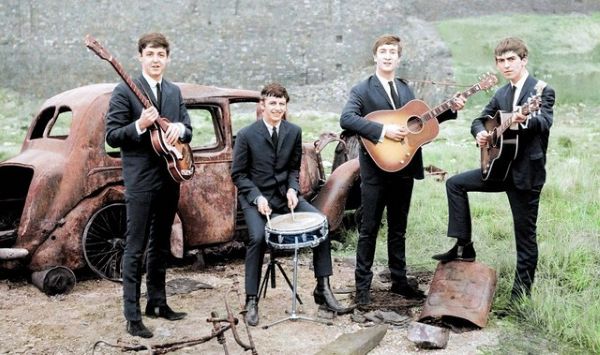
- In 1967, the ruling class at the BBC was forced to concede that working class pop music could be publicly broadcast on its new radio station, after years of everyone under 20 listening to illegal Pirate radio and a full five years since The Beatles first hit.
- Which British Poet sold the most books in the UK in the 20th Century? Pam Ayers! where is she in the AI list of top 20 British Poets of 20th Century? Not a mention
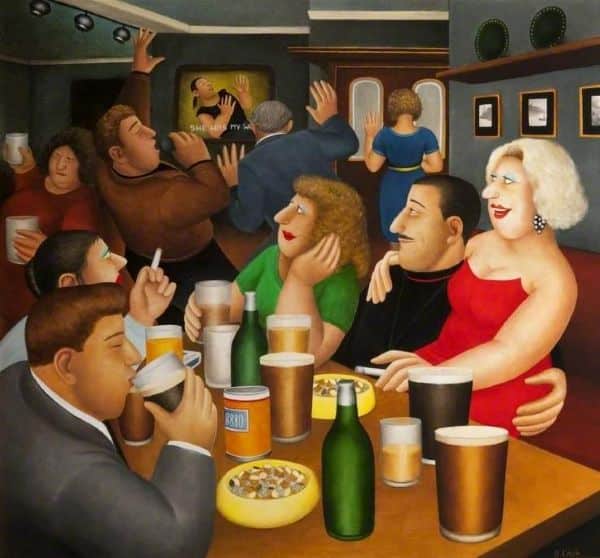
- “There Will Be No Beryl Cooks in Tate Modern,’ Says Sir Nicholas Serota, director of Tate modern, The Cultural Elite vs Britain’s Working Class Painter” The refusal of Tate Modern, in 2026, to collect or display the work of Beryl Cook is not a matter of taste, nor a neutral curatorial decision. It is ideological. Cook’s exclusion exposes a deep and enduring fault line in British cultural life: the discomfort of the cultural elite when confronted with the working classes not as objects of study, pity, or abstraction, but as active creators of culture.
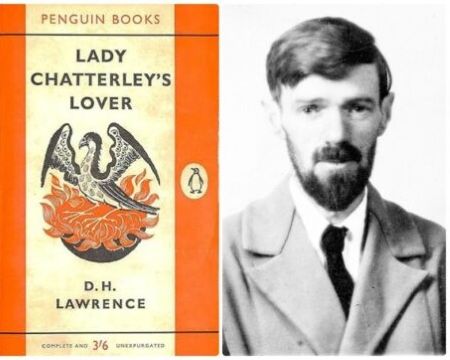
Sexual intercourse began In nineteen sixty-three (which was rather late for me) – Between the end of the ‘Chatterley’ ban And the Beatles’ first LP. Philip Larkin
Working class kids are very actively discouraged from studying the arts as, as described above, they are unemployable because they don’t have the right connections or the right accents. Sometimes the “Careers Officers” maybe being cruel to be kind. Not allowing working class kids to study the arts because they will never get a job. Or at the opposite end of the scale – allowing them to go to study arts at college and then not able to get a job.
My school careers officer recommended I become a Gas Fitter. As I don’t have a practical bone in my body I wonder how many houses I would have blown up
Further opportunities to watch
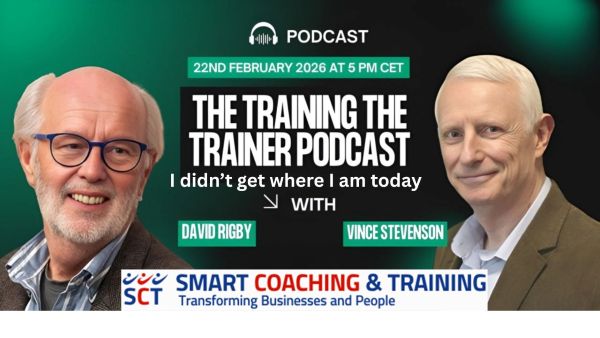
David Rigby’s recent PodCast conversation with Vince Stevenson , In two parts
- “I didn’t get where I am today”
- “Including ALL your audience “

Smart Coaching & Training works with over 30 associates, in four continents speaking 14 languages. Most raised and working in a wide range of cultures and living in a different place than where they were born . See our associates here.
Many of our associates learned how to speak via Toastmasters and Professional Speakers Association Read more
Many of our associates are specialists in Diversity , Interculturality and related topics Read more here and here.
Written by David Rigby © 2026 Smart Coaching & Training Ltd

