
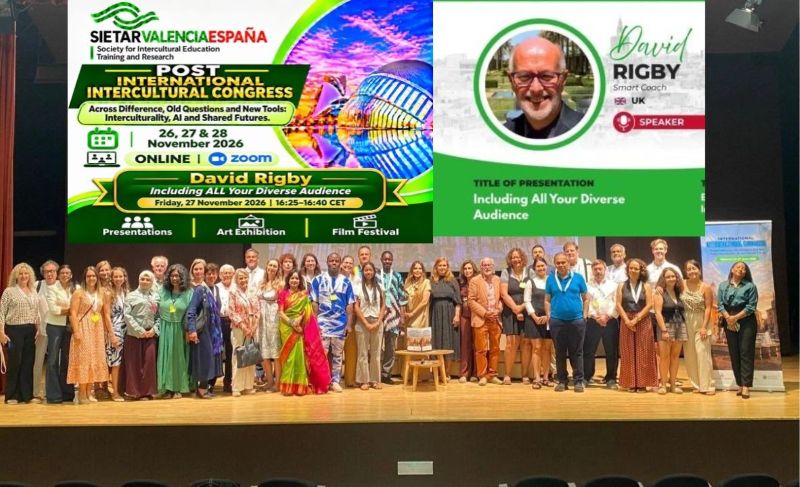
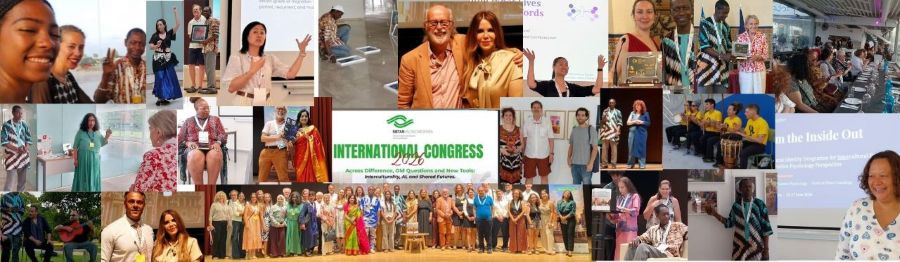
David Rigby – will be presenting on-line version on Friday 27th Novemeber at 16.25 as part of on-line conference . this is just a small part
Hopefully you know what you want the audience to do after your presentation.
Each person not included won’t be doing it
What can you do to include each memberof your audience so they are fully engaged ?
They have been asked to the dance (diversity) are they going to be asked to dance (by you) (inclusion)
What do you know about your audience ?
There are two things
- What you have been told or been bothered to find out
- What you can see (and hear) when you walk in the room or on to that stage .
What you can know already
You can find out by asking the organisers, You can also find out by asking the participants
What you have been told/researched Their Culture:
- What nationalities are they?
- What national stereotypes could you assume?
- Do they belong to the same Organisation ?
- What’s the Organisational culture
- Competence in the presentation langage ?
Professonal expertise, Level of Educstion, Worldliness ? - What gender, generation, religion ethnicity, sexuality are they likely to be?
- Hhow do they think ? how might they learn?
- What’s the culture of your audience ? More origainsational than national . More individualistic or more national stereotypes?
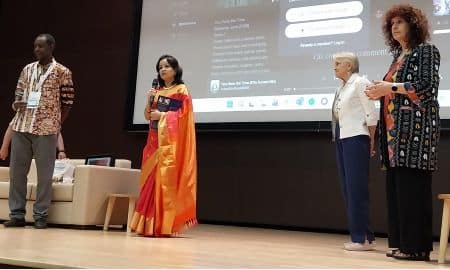
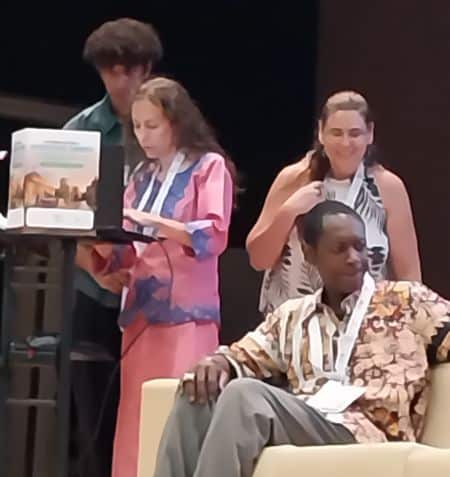
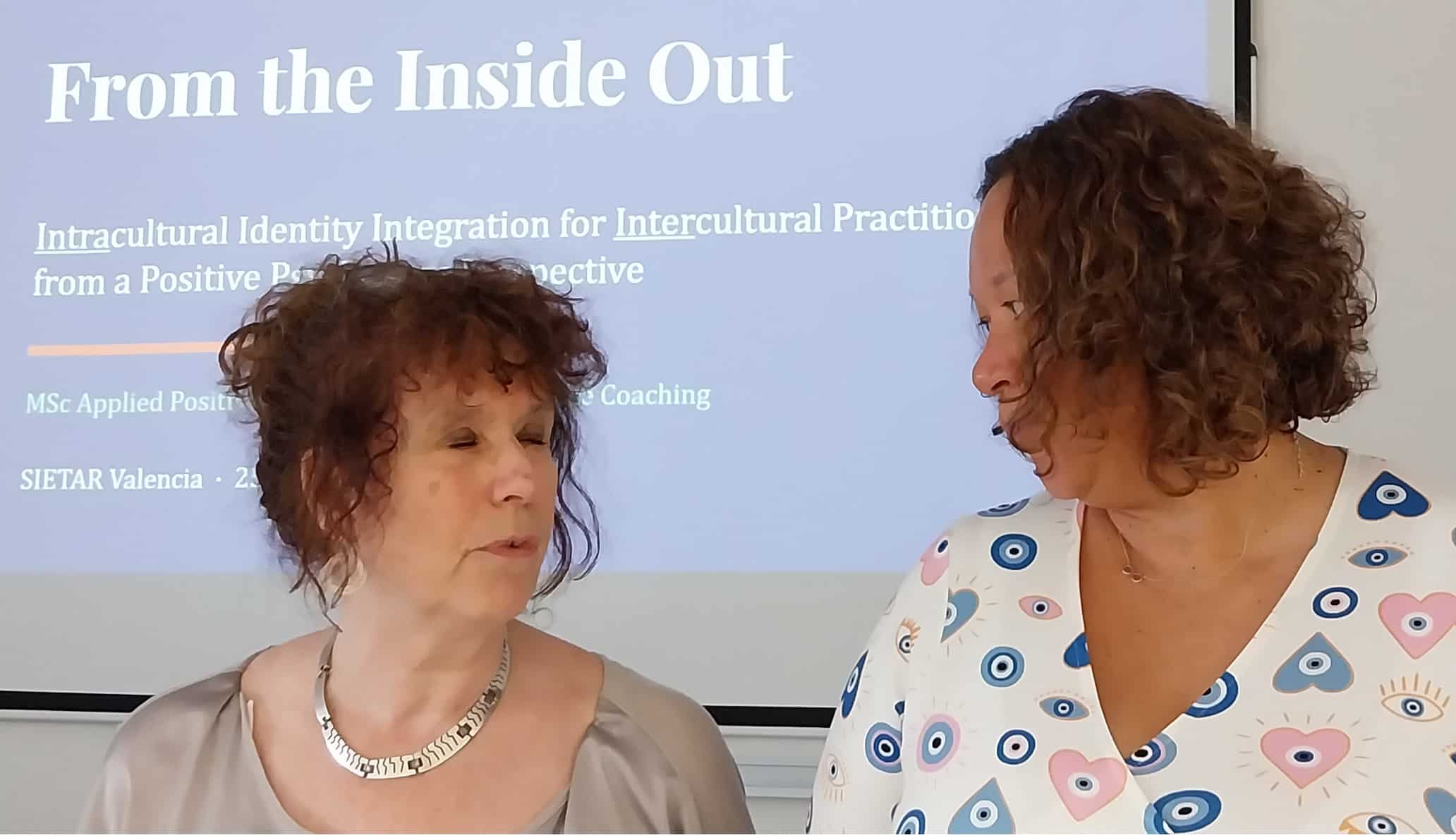
What can you see (or hear) ?
Try to look at and analyse your audience before you go on stage , When you are on stage …..
Things you can see/hear
- Age
- Race / ethnicity/ Country of origin
- Religion sometimes
- Sex / gender/ sexuality
- Status? Some deductions based on what they are wearing
- The languages they use
Things you can’t see/hear
- Country of residence
- Nationality
- Neurodivergent /ADHD,
- Deafness/ Blind
- Education
- Class/ socio-economic
- Cognitive
- Culture
- Religion (or lack of)
- Worldview
- Intersectionality (more than one of the above)
How will they learn from you ?
Neuro Linguistic Programming
From NLP we learn the VAK model
- Visual
- Auditory
- Kinaesthetic
If you don’t know (and you wont) then you have to include all three.
Is the language you are speaking in, your first language?
- If it is – simplify your language. Stop trying to impress with the language you know and the audience may not, then minimise expressions, speak slowly
- If not – stop trying to impress with your vocabulary or expressions. Your accent might not be so clear.
Is the language you are speaking in, the first language of the audience?
- If yes, then you can broaden your language and bring in more precision
- If not, then minimise expressions, speak slowly.
- If not, then, like here, write all the words as well as say them
So, will you
- Have slides with no words on (very fashionable and rightly so)
- Have most of your words on the slides ,
- Have no slides and just sit and read your notes to your audience
Or give a presention which includes your audience because it is tailored for who they are ?
Find out more by watching my on-line presentation on Friday 26th Novemeber as part of the Sietar Valencia On-Line conference
Smart Coaching & Training works with over 30 associates, in four continents speaking 14 languages. Most raised and working in a wide range of cultures and living in a different place than where they were born . See our associates here.
Many of our associates are or have been Professional Speakers Association members and past presidents . Read more
Many of our associates are specialists in Diversity, Interculturality and related topics Read more here and here.
Written by David Rigby © 2026 Smart Coaching & Training Ltd

